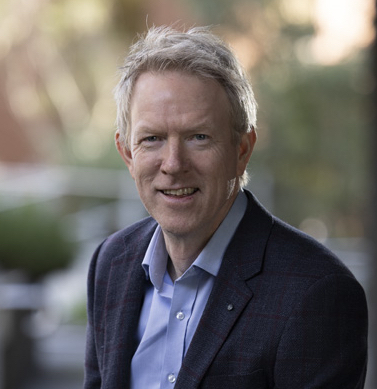
Keynote: The Game Has Changed: Sport Participation, New Forms, and Future Directions
Pedagogy & Curriculum
Sports & Coaching

The way people engage with sport continues to evolve. Few people around the world engage with sport through formal organised competition (only 13% of Australians, for example, play their sport as part of a competitive sporting club). Instead, many people are finding ways to negotiate their sporting participation to fit complex, busy lifestyles, with connection and experience increasingly taking priority over rankings and results. Yet governments, sporting organisations, and physical education continue to support and resource participation as if structured competition remains the norm.
This presentation draws on original research into informal sport to challenge foundational assumptions about how we resource and support people for a lifetime in sport. It calls for a richer and more relevant understanding of sport that supports the human capacity to negotiate the conditions that shape a sporting experience. When sport is understood as a spectrum of negotiated practices, new directions and opportunities open up for physical education, coaching, and sport administration.
Job Role Applicability:



 Adaptive Tools for Movement Variability (Curves, Spirals, and Ellipses) in Physical...