
Presentations
This practical workshop explores the journey of building a Unified Sports programme in schools—from understanding the principles of Unified Sports and Unified Coaching to planning the first practice and developing a sustainable programme.
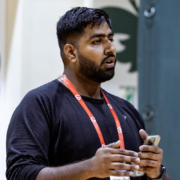
Muhammad Tahir Naqash Khan

This session will explore how student leadership can move beyond token roles into authentic, high-impact experiences through the creation of a student-led leadership society and how they have made their society high-achieving with qualifications, charity drives, IWD representations and creating wider links in Singapore by delivering a student-led conference.

Danielle Foyle
In this session, we’ll look at curated unit and lesson plans that work across grade levels and give students meaningful opportunities to build and practice essential health literacy skills.

Amy Lauren Smith
Participants will leave with a practical framework for strengthening trust, commitment, and teamwork in the groups they lead.

Nathan Whitaker
This practical workshop introduces dynamic and flowing movement patterns that reflect these curved paths, such as tracing smooth arcs, navigating expanding spiral rotations, or following elliptical arm swings.

Daniel Strange
In this 1-hour workshop, participants will engage in a range of accessible, fun dance-related warm-up activities.
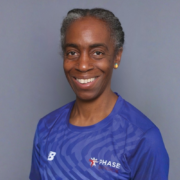
Sherri Spelic
Kids in Grade 3 can do strength and conditioning safely, and it doesn't need to look much different from what high schoolers do. This hands-on session is built on that claim.

Danny Crescenti

Katie McClure
Dive into a series of insightful sessions, workshops, and networking opportunities aimed at enhancing your leadership skills and transforming your athletic & activities programs.

Chris Mott
Nathan Whitaker

John Zahara

Craig Wilson

Craig Wislang
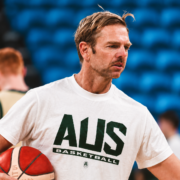
Nick Haywood
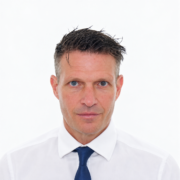
Kit Murray

GarethTebbutt

Dan Hogg

Josh Smith

Jackson Fernandes

Sofie Fella
This presentation is designed to educate, inspire and empower teachers with simple, yet effective strategies to draw from the cultural capital of their ethnically diverse students in order to to build bridges towards positive relationships, and foster a culturally inclusive and vibrant environment.

Pyong Mun Yun
This practical, interactive session invites PE teachers to rethink how we design and deliver physical education for diverse learners, including students with SEND, different abilities, skill levels, learning needs, confidence levels, and communication styles.
Muhammad Tahir Naqash Khan

GET SOCIAL WITH #PHASE


